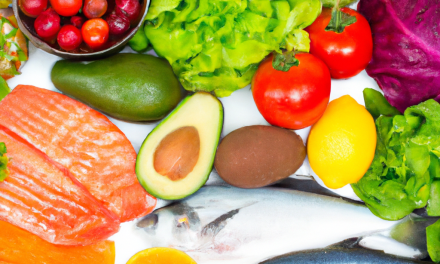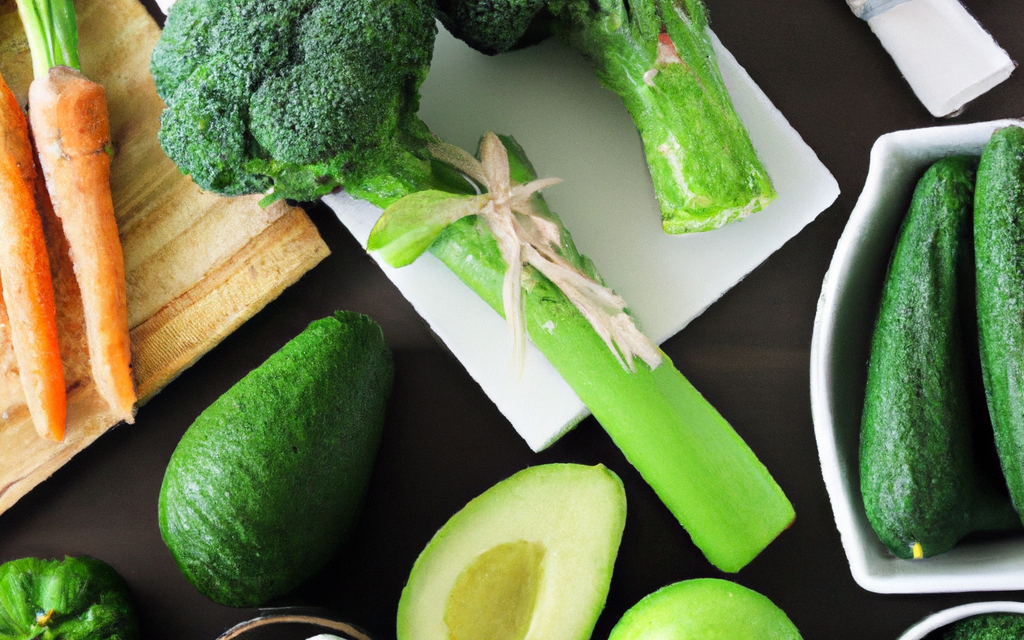
Are you tired of struggling to lose weight with complicated diet plans and strict restrictions? Look no further, as we uncover the secrets to easy weight loss with the Paleo Diet and the Mediterranean Diet. In this article, we will delve into the benefits of each diet, explore how they can help you achieve sustainable weight loss, and compare which approach may be the easiest path to reaching your weight loss goals. Say goodbye to fad diets and hello to a healthier, happier you with the Paleo Diet and Mediterranean Diet.
- 1. "Unlocking the Secrets to Weight Loss with the Paleo Diet"
- 2. "Exploring the Mediterranean Diet: Your Key to Sustainable Weight Loss"
- 3. "Comparing the Paleo and Mediterranean Diets: Which is the Easiest Path to Weight Loss?"
1. "Unlocking the Secrets to Weight Loss with the Paleo Diet"

The Paleo Diet has gained popularity in recent years as a way to not only improve overall health but also as an effective means of weight loss. This diet focuses on consuming whole, unprocessed foods that our ancestors would have eaten during the Paleolithic era. By eliminating processed foods, grains, dairy, and sugar, followers of the Paleo Diet can experience weight loss and improved energy levels.
One of the secrets to weight loss with the Paleo Diet lies in its emphasis on high-protein foods. Protein helps to keep you feeling full and satisfied, which can prevent overeating and snacking on unhealthy foods. Additionally, the Paleo Diet encourages the consumption of healthy fats, such as those found in avocados, nuts, and olive oil. These fats can help to curb cravings and support weight loss efforts.
Another key component of the Paleo Diet is its focus on nutrient-dense foods. By choosing foods that are rich in vitamins, minerals, and antioxidants, followers of the diet can nourish their bodies and support overall health. This can lead to improved digestion, increased energy levels, and better weight management.
Incorporating the principles of the Paleo Diet into your daily routine can help you unlock the secrets to weight loss in a sustainable and effective way. By focusing on whole, unprocessed foods and prioritizing nutrient-dense options, you can achieve your weight loss goals while also improving your overall health. And for those looking for additional variety and flavor, incorporating elements of the Mediterranean diet can further enhance the benefits of the Paleo Diet.
2. "Exploring the Mediterranean Diet: Your Key to Sustainable Weight Loss"
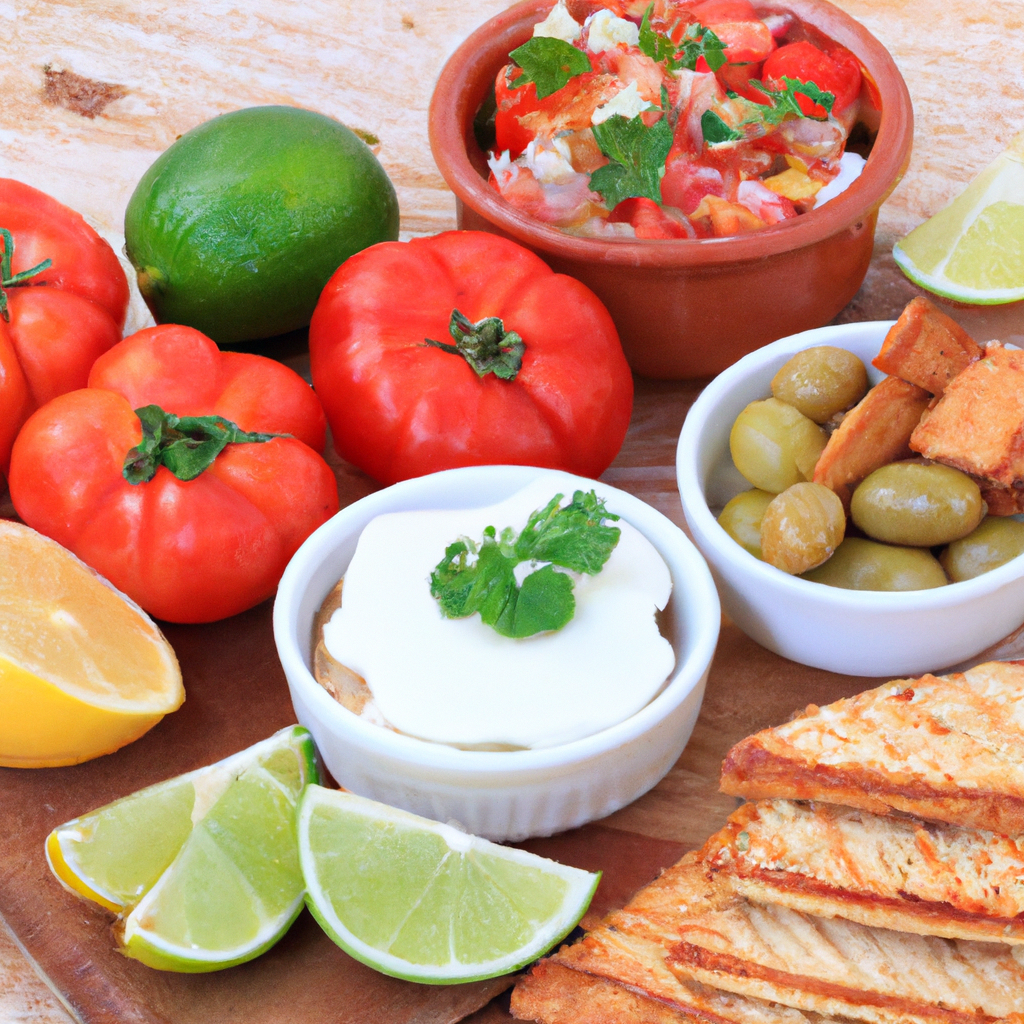
The Mediterranean diet has gained popularity in recent years as a sustainable and effective way to achieve weight loss. This diet is inspired by the traditional eating habits of people in countries like Greece, Italy, and Spain, and focuses on fresh, whole foods such as fruits, vegetables, whole grains, legumes, nuts, seeds, and olive oil.
One of the key principles of the Mediterranean diet is moderation. Unlike restrictive diets that cut out entire food groups, the Mediterranean diet allows for a wide variety of foods in appropriate portions. This makes it easier to stick to long-term, leading to sustainable weight loss results.
In addition to promoting weight loss, the Mediterranean diet has been shown to have numerous health benefits, including reducing the risk of heart disease, stroke, and certain types of cancer. The emphasis on plant-based foods and healthy fats like olive oil also helps to improve overall health and well-being.
By incorporating the principles of the Mediterranean diet into your lifestyle, you can achieve your weight loss goals in a way that feels natural and enjoyable. Say goodbye to fad diets and extreme restrictions, and say hello to a balanced and sustainable way of eating that will benefit your health for years to come.
3. "Comparing the Paleo and Mediterranean Diets: Which is the Easiest Path to Weight Loss?"

When it comes to weight loss, both the Paleo and Mediterranean diets are popular choices for those looking to shed some extra pounds. But which diet is the easiest path to achieving your weight loss goals?
The Paleo diet, also known as the "caveman diet," focuses on eating whole, unprocessed foods that our ancestors would have consumed. This means cutting out grains, dairy, and processed foods in favor of lean meats, fruits, vegetables, and nuts. The Paleo diet is often praised for its ability to promote weight loss by reducing inflammation in the body and stabilizing blood sugar levels.
On the other hand, the Mediterranean diet is based on the traditional eating habits of people living in countries bordering the Mediterranean Sea. This diet emphasizes consuming plenty of fruits, vegetables, whole grains, and healthy fats like olive oil and nuts. The Mediterranean diet is known for its heart-healthy benefits and has been linked to weight loss and improved overall health.
When comparing the two diets, the Paleo diet may be seen as the easier path to weight loss for some individuals. This is because the Paleo diet eliminates entire food groups like grains and dairy, making it easier for people to follow a strict set of guidelines. Additionally, the focus on protein-rich foods can help keep you feeling full and satisfied, which may lead to fewer cravings and overeating.
On the other hand, the Mediterranean diet is often praised for its flexibility and variety of foods allowed. This can make it easier for some individuals to stick to the diet long-term and avoid feelings of deprivation. The Mediterranean diet also includes foods like wine and dark chocolate in moderation, which can make it feel less restrictive compared to the Paleo diet.
Ultimately, the easiest path to weight loss will vary from person to person. Some may find success with the strict guidelines of the Paleo diet, while others may prefer the flexibility and variety of the Mediterranean diet. It's important to choose a diet that aligns with your personal preferences and lifestyle in order to achieve sustainable weight loss results.
In conclusion, both the Paleo and Mediterranean diets offer effective and sustainable ways to achieve weight loss. While the Paleo diet focuses on eliminating processed foods and emphasizing lean proteins and vegetables, the Mediterranean diet promotes a balanced approach that includes a variety of whole grains, fruits, and healthy fats. Ultimately, the key to successful weight loss lies in finding the diet that best fits your individual preferences and lifestyle. Whether you choose to follow the Paleo diet or the Mediterranean diet, incorporating nutrient-dense foods and regular exercise will help you reach your weight loss goals in a healthy and manageable way. Embracing the principles of these diets can lead to long-term success in achieving and maintaining a healthy weight.