
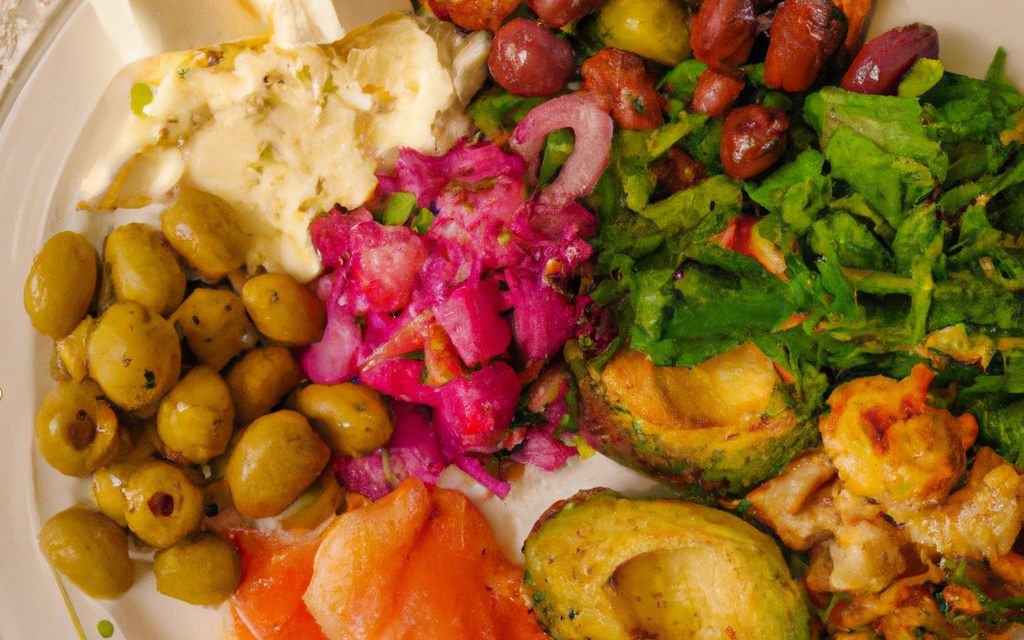
Are you looking to shed those extra pounds without the hassle of restrictive diets and strenuous exercise regimens? Look no further, as we delve into the world of effortless weight loss with the Paleo Diet and the Mediterranean Diet. These two popular diets have gained traction in the health and wellness community for their effectiveness in promoting weight loss without sacrificing taste or satisfaction. In this article, we will explore the benefits of each diet individually and compare them to determine which one may be the best fit for your weight loss journey. Whether you're a fan of the Paleo Diet or prefer the flavors of the Mediterranean Diet, we've got you covered with expert insights and tips for achieving your weight loss goals.
- 1. "Achieve Effortless Weight Loss with the Paleo Diet"
- 2. "Exploring the Benefits of the Mediterranean Diet for Weight Loss"
- 3. "Comparing the Paleo and Mediterranean Diets for Effective Weight Loss"
1. "Achieve Effortless Weight Loss with the Paleo Diet"

The Paleo Diet, also known as the caveman diet or Stone Age diet, is based on the idea of eating foods that our ancestors would have consumed during the Paleolithic era. This diet mainly consists of lean meats, fish, fruits, vegetables, nuts, and seeds, while excluding processed foods, grains, dairy, and sugars.
One of the main benefits of the Paleo Diet is its ability to promote effortless weight loss. By focusing on whole, nutrient-dense foods, the Paleo Diet helps regulate blood sugar levels, reduce inflammation, and improve metabolism. This can lead to a natural reduction in calorie intake and an increase in fat burning, ultimately resulting in weight loss.
Additionally, the Paleo Diet encourages the consumption of foods that are rich in protein and fiber, which can help increase feelings of fullness and reduce cravings for unhealthy snacks. This can make it easier to stick to a healthy eating plan and avoid overeating, leading to sustainable weight loss.
In comparison to other diets, such as the Mediterranean diet, the Paleo Diet offers a simple and straightforward approach to weight loss. By focusing on whole, unprocessed foods and avoiding certain food groups, followers of the Paleo Diet can effortlessly achieve their weight loss goals while still enjoying delicious and satisfying meals.
2. "Exploring the Benefits of the Mediterranean Diet for Weight Loss"

The Mediterranean diet has gained popularity in recent years as a healthy and sustainable way to lose weight. This diet focuses on consuming whole foods like fruits, vegetables, whole grains, lean proteins, and healthy fats such as olive oil and nuts. By following the Mediterranean diet, individuals can enjoy a variety of delicious and nutritious meals while still achieving their weight loss goals.
One of the key benefits of the Mediterranean diet for weight loss is its emphasis on fresh, whole foods. By avoiding processed foods and focusing on natural ingredients, individuals can reduce their intake of added sugars, unhealthy fats, and empty calories. This can lead to a reduced overall calorie intake, making it easier to maintain a calorie deficit for weight loss.
Additionally, the Mediterranean diet is rich in fiber, which can help individuals feel full and satisfied after meals. This can prevent overeating and snacking between meals, leading to a more controlled calorie intake. The diet also includes a moderate amount of lean protein, which is important for maintaining muscle mass while losing weight.
Furthermore, the Mediterranean diet is known for its heart-healthy benefits, as it includes plenty of omega-3 fatty acids from sources like fish and nuts. These healthy fats can help reduce inflammation and improve cholesterol levels, which are important for overall health and weight management.
In conclusion, the Mediterranean diet is a well-rounded and sustainable approach to weight loss that focuses on whole, nutritious foods. By following this diet, individuals can enjoy a variety of delicious meals while still achieving their weight loss goals. Consider incorporating elements of the Mediterranean diet into your own weight loss journey for a healthy and effective way to reach your desired results.
3. "Comparing the Paleo and Mediterranean Diets for Effective Weight Loss"

Both the Paleo and Mediterranean diets have gained popularity in recent years for their potential to promote effective weight loss. While both diets emphasize whole foods and limit processed foods, there are some key differences between the two approaches.
The Paleo diet focuses on consuming foods that our ancestors would have eaten during the Paleolithic era, such as lean meats, fish, fruits, vegetables, nuts, and seeds. This diet eliminates dairy, grains, and legumes, which some people find to be beneficial for weight loss due to their potential to cause inflammation and digestive issues. The Paleo diet also encourages high protein intake, which can help increase feelings of fullness and reduce cravings.
On the other hand, the Mediterranean diet is based on the traditional eating patterns of countries bordering the Mediterranean Sea. This diet includes plenty of fruits, vegetables, whole grains, legumes, fish, and healthy fats like olive oil and nuts. The Mediterranean diet is rich in antioxidants and anti-inflammatory nutrients, which can support weight loss by reducing inflammation and promoting overall health.
When comparing the two diets for weight loss, it ultimately comes down to personal preference and lifestyle factors. The Paleo diet may be more suitable for individuals who thrive on high-protein, lower-carb diets and prefer to avoid certain food groups. On the other hand, the Mediterranean diet offers a more flexible approach that includes a wide variety of foods and may be easier to sustain long-term.
Both the Paleo and Mediterranean diets have been shown to be effective for weight loss when followed consistently and coupled with regular physical activity. It's important to consult with a healthcare provider or registered dietitian before starting any new diet plan to ensure it aligns with your individual health goals and needs.
In conclusion, both the Paleo diet and the Mediterranean diet offer effective and sustainable ways to achieve weight loss. While the Paleo diet focuses on whole, unprocessed foods and eliminates grains and dairy, the Mediterranean diet emphasizes plant-based foods, healthy fats, and moderate amounts of lean protein. Both diets have been shown to promote weight loss, improve overall health, and reduce the risk of chronic diseases. Ultimately, the key to successful weight loss is finding a diet that works for you and fits your lifestyle. Whether you choose to follow the Paleo diet or the Mediterranean diet, incorporating whole, nutrient-dense foods and staying active are essential components for achieving your weight loss goals.


