
Are you looking for an easy way to achieve lasting weight loss? Look no further than the Paleo Diet and the Mediterranean Diet. In this article, we will explore how these two popular diets can help you reach your weight loss goals in a delicious and sustainable way. From the benefits of the Paleo Diet to the flavorful approach of the Mediterranean Diet, we will compare and contrast these two options to help you find the best fit for your weight loss journey. Whether you're a fan of lean protein and vegetables or prefer a diet rich in seafood and olive oil, there's a plan for you. Let's dive in and discover how the Paleo and Mediterranean diets can lead to weight loss success.
- 1. "Achieve Lasting Weight Loss with the Paleo Diet"
- 2. "The Mediterranean Diet: A Delicious Approach to Healthy Weight Loss"
- 3. "Comparing the Paleo and Mediterranean Diets for Weight Loss Success"
1. "Achieve Lasting Weight Loss with the Paleo Diet"

Achieve Lasting Weight Loss with the Paleo Diet
The Paleo Diet, also known as the caveman diet, focuses on consuming foods that our ancestors would have eaten during the Paleolithic era. This includes lean meats, fish, fruits, vegetables, nuts, and seeds while excluding processed foods, grains, dairy, and sugar.
One of the main benefits of the Paleo Diet is its ability to promote weight loss. By cutting out processed and high-calorie foods, followers of the diet often see significant reductions in body fat and overall weight. Additionally, the emphasis on whole, nutrient-dense foods can help to regulate blood sugar levels and reduce cravings, making it easier to stick to a healthy eating plan for the long term.
Research has shown that the Paleo Diet can lead to improved markers of health, including reduced inflammation, improved insulin sensitivity, and better cholesterol levels. These factors not only contribute to weight loss but also overall well-being and disease prevention.
By following the principles of the Paleo Diet, such as focusing on whole foods and avoiding processed options, individuals can achieve lasting weight loss and improve their overall health. Combined with regular exercise and a balanced lifestyle, the Paleo Diet can be a valuable tool in achieving and maintaining a healthy weight.
2. "The Mediterranean Diet: A Delicious Approach to Healthy Weight Loss"

The Mediterranean Diet is widely recognized as one of the healthiest and most sustainable ways to achieve weight loss. This diet is inspired by the traditional eating habits of people living in countries bordering the Mediterranean Sea, such as Greece, Italy, and Spain.
The Mediterranean Diet emphasizes the consumption of whole, unprocessed foods such as fruits, vegetables, whole grains, legumes, nuts, seeds, fish, and olive oil. This diet is rich in antioxidants, vitamins, and minerals, which can help boost metabolism and promote weight loss.
One of the key components of the Mediterranean Diet is its focus on lean proteins such as fish and poultry, which can help you feel full and satisfied without consuming excess calories. Additionally, this diet encourages the consumption of healthy fats from sources like olive oil and nuts, which can help improve heart health and aid in weight loss.
Another benefit of the Mediterranean Diet is its emphasis on enjoying meals with family and friends, which can help reduce stress and emotional eating. By savoring delicious and nutritious foods in a relaxed setting, you can cultivate a healthier relationship with food and make lasting lifestyle changes for weight loss success.
In conclusion, the Mediterranean Diet offers a delicious and sustainable approach to healthy weight loss. By incorporating the principles of this diet into your daily routine, you can achieve your weight loss goals while enjoying a variety of flavorful and nutritious foods.
3. "Comparing the Paleo and Mediterranean Diets for Weight Loss Success"
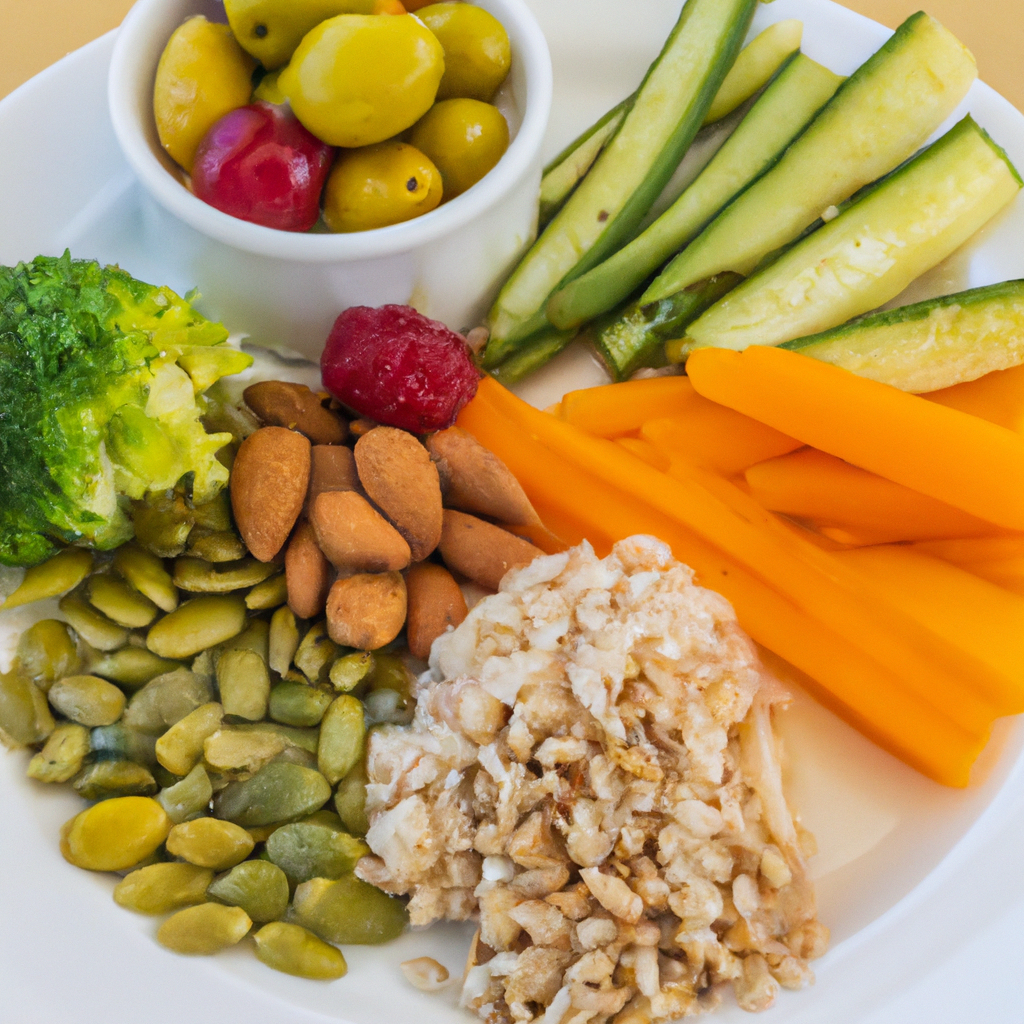
When it comes to weight loss, both the Paleo and Mediterranean diets have gained popularity for their effectiveness. The Paleo diet focuses on eating whole, unprocessed foods such as lean meats, fish, fruits, vegetables, nuts, and seeds. This diet eliminates grains, dairy, and processed foods, which can lead to weight loss due to reduced calorie intake and improved nutrient absorption.
On the other hand, the Mediterranean diet emphasizes plant-based foods, whole grains, healthy fats like olive oil, and lean proteins such as fish and poultry. This diet is rich in antioxidants, fiber, and omega-3 fatty acids, which can aid in weight loss by promoting satiety and reducing inflammation.
When comparing the two diets for weight loss success, both have their strengths. The Paleo diet may be more restrictive in terms of what foods are allowed, but it can be effective for those looking to eliminate processed foods and focus on nutrient-dense options. The Mediterranean diet, with its emphasis on a variety of foods and flavors, can be more sustainable for long-term weight loss success.
Ultimately, the key to weight loss with either diet is to focus on whole, nutrient-dense foods and to listen to your body's hunger and fullness cues. Both the Paleo and Mediterranean diets can be effective tools for weight loss, so it's important to choose the one that aligns best with your lifestyle and preferences.
In conclusion, both the Paleo Diet and the Mediterranean Diet offer effective and sustainable approaches to weight loss. While the Paleo Diet focuses on whole, unprocessed foods and the elimination of grains and dairy, the Mediterranean Diet emphasizes plant-based foods, healthy fats, and moderate amounts of lean protein. By incorporating elements of both diets into your lifestyle, you can achieve lasting weight loss and improved overall health. Whether you choose to follow the Paleo Diet, the Mediterranean Diet, or a combination of both, the key is to find a plan that works for you and stick with it for long-term success. Remember, weight loss doesn't have to be difficult – with the right diet and mindset, you can achieve your goals the easy way.


