Are you looking to shed those extra pounds and achieve sustainable weight loss? Look no further, as we delve into the world of the Paleo Diet and the Mediterranean Diet – two popular and effective ways to lose weight the easy way. In this article, we will explore the health benefits of the Mediterranean Diet for weight loss, as well as how you can achieve your weight loss goals with the Paleo Diet. Additionally, we will compare the Paleo and Mediterranean Diets to help you determine which one is the best fit for your weight loss journey. Whether you're a fan of the Paleo Diet, the Mediterranean Diet, or simply looking for a way to lose weight, this article has got you covered.
- 1. "Achieve Sustainable Weight Loss with the Paleo Diet"
- 2. "Exploring the Health Benefits of the Mediterranean Diet for Weight Loss"
- 3. "Comparing the Paleo and Mediterranean Diets for Effective Weight Loss"
1. "Achieve Sustainable Weight Loss with the Paleo Diet"

Achieve Sustainable Weight Loss with the Paleo Diet
The Paleo Diet, also known as the caveman diet, focuses on consuming whole foods that our ancestors would have eaten during the Paleolithic era. This includes lean meats, fish, fruits, vegetables, nuts, and seeds while excluding processed foods, grains, dairy, and sugars.
One of the main reasons why the Paleo Diet is so effective for weight loss is because it eliminates many of the processed and high-calorie foods that can lead to weight gain. By focusing on whole, nutrient-dense foods, followers of the Paleo Diet often find themselves naturally eating fewer calories without feeling deprived.
Additionally, the Paleo Diet emphasizes the importance of consuming protein and healthy fats, both of which can help increase feelings of fullness and satiety. This can lead to reduced cravings and overall decreased calorie intake, making it easier to achieve weight loss goals.
Furthermore, the Paleo Diet encourages a healthy lifestyle overall, including regular exercise and adequate sleep, which are important factors in sustainable weight loss. By combining the Paleo Diet with other healthy habits, such as the Mediterranean diet's focus on olive oil, whole grains, and seafood, individuals can create a well-rounded approach to weight loss that is both effective and maintainable in the long term.
2. "Exploring the Health Benefits of the Mediterranean Diet for Weight Loss"

The Mediterranean diet has gained popularity in recent years for its numerous health benefits, including weight loss. This diet emphasizes whole foods such as fruits, vegetables, whole grains, lean proteins, and healthy fats like olive oil. By focusing on these nutrient-dense foods, individuals following the Mediterranean diet can naturally reduce their caloric intake while still feeling satisfied and nourished.
One of the key components of the Mediterranean diet that makes it effective for weight loss is its emphasis on plant-based foods. These foods are high in fiber, which helps to keep you feeling full and satisfied, reducing the likelihood of overeating. Additionally, the diet includes plenty of healthy fats from sources like olive oil, nuts, and fatty fish, which can help to curb cravings and prevent snacking on unhealthy foods.
Research has shown that the Mediterranean diet can lead to significant weight loss and improvements in overall health. A study published in the New England Journal of Medicine found that individuals following a Mediterranean diet had a lower risk of obesity and metabolic syndrome compared to those following a low-fat diet. Another study published in the British Journal of Nutrition found that participants who followed a Mediterranean diet lost more weight and had a greater reduction in waist circumference compared to those following a low-fat diet.
In addition to weight loss, the Mediterranean diet has been associated with a reduced risk of chronic diseases such as heart disease, diabetes, and certain types of cancer. This makes it an ideal choice for individuals looking to improve their overall health while also shedding excess pounds.
Overall, the Mediterranean diet offers a sustainable and enjoyable way to achieve weight loss and improve overall health. By focusing on whole, nutrient-dense foods and incorporating healthy fats and lean proteins, individuals can achieve their weight loss goals without feeling deprived or hungry. Consider incorporating elements of the Mediterranean diet into your own meal plan for a delicious and effective way to support your weight loss journey.
3. "Comparing the Paleo and Mediterranean Diets for Effective Weight Loss"
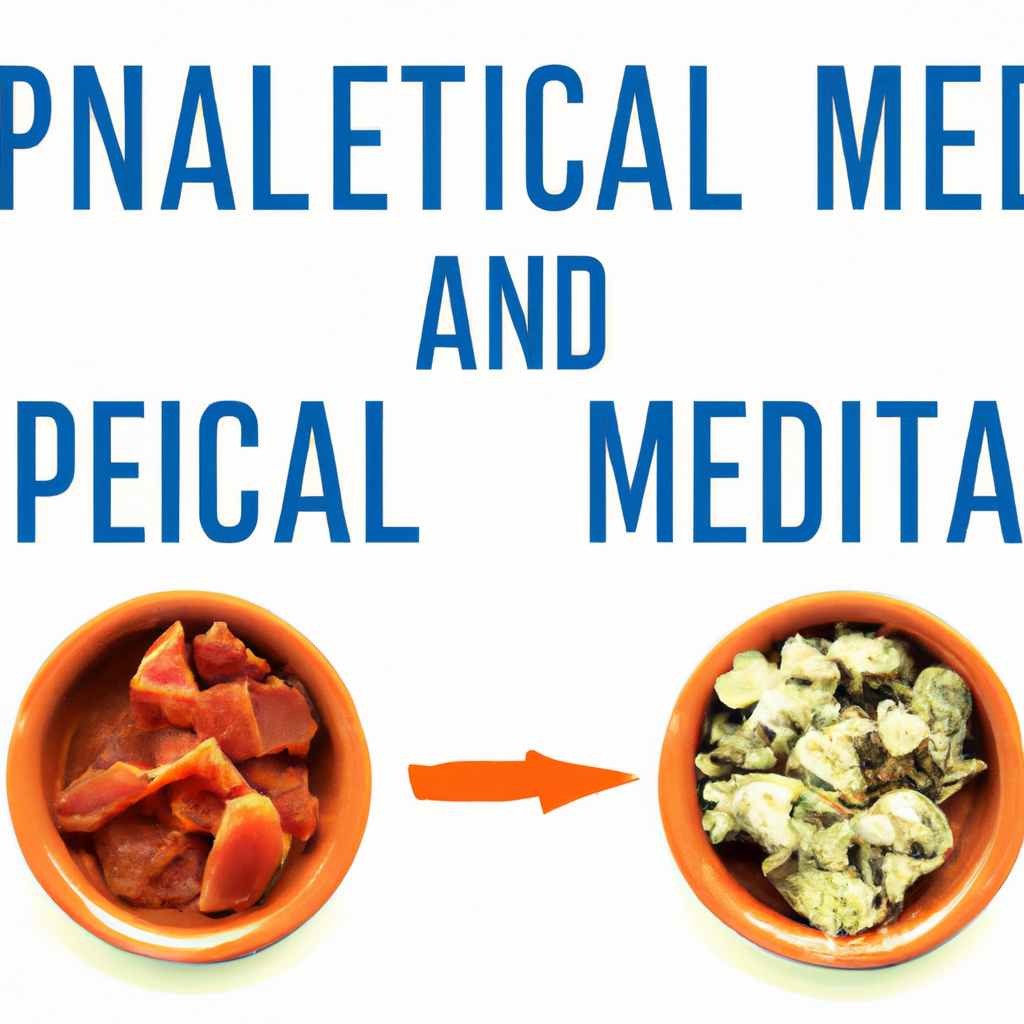
Both the Paleo and Mediterranean diets have gained popularity for their potential to promote effective weight loss. While both diets focus on whole, unprocessed foods, there are some key differences between the two.
The Paleo diet, also known as the "caveman diet," emphasizes consuming foods that were available to our hunter-gatherer ancestors, such as lean meats, fish, fruits, vegetables, nuts, and seeds. This diet eliminates processed foods, grains, dairy, and legumes. By focusing on whole foods and eliminating processed ingredients, the Paleo diet can help individuals lose weight by reducing overall calorie intake and increasing nutrient density.
On the other hand, the Mediterranean diet is inspired by the traditional eating habits of people living in countries bordering the Mediterranean Sea. This diet emphasizes consuming fruits, vegetables, whole grains, legumes, nuts, seeds, olive oil, and lean proteins like fish and poultry. The Mediterranean diet also allows for moderate consumption of red wine and dairy products. This diet is rich in fiber, antioxidants, and healthy fats, which can help individuals feel full and satisfied while promoting weight loss.
When comparing the two diets for weight loss, it's important to consider individual preferences and lifestyle factors. The Paleo diet may be more restrictive for some individuals, especially those who enjoy dairy or grains. However, the Paleo diet's focus on eliminating processed foods can lead to quick weight loss results for some individuals. On the other hand, the Mediterranean diet offers a more balanced approach and may be easier to sustain long-term due to its flexibility and variety of foods allowed.
In conclusion, both the Paleo and Mediterranean diets can be effective for weight loss when followed correctly. Individuals should choose the diet that aligns with their preferences and lifestyle for long-term success. Whether you choose the Paleo diet or the Mediterranean diet, focusing on whole, nutrient-dense foods and maintaining a calorie deficit are key factors in achieving your weight loss goals.
In conclusion, both the Paleo Diet and the Mediterranean Diet offer effective ways to achieve sustainable weight loss. While the Paleo Diet focuses on consuming whole foods and eliminating processed foods, the Mediterranean Diet emphasizes the consumption of fruits, vegetables, whole grains, and lean proteins. Both diets have been shown to promote weight loss and improve overall health. Ultimately, the key to successful weight loss is finding a plan that works best for you and fits your lifestyle. Whether you choose to follow the Paleo Diet or the Mediterranean Diet, incorporating healthy eating habits and regular exercise will help you reach your weight loss goals. Consider consulting with a healthcare professional or nutritionist to determine the best approach for your individual needs. Start your weight loss journey today with the Paleo Diet or the Mediterranean Diet and take the first step towards a healthier, happier you.