
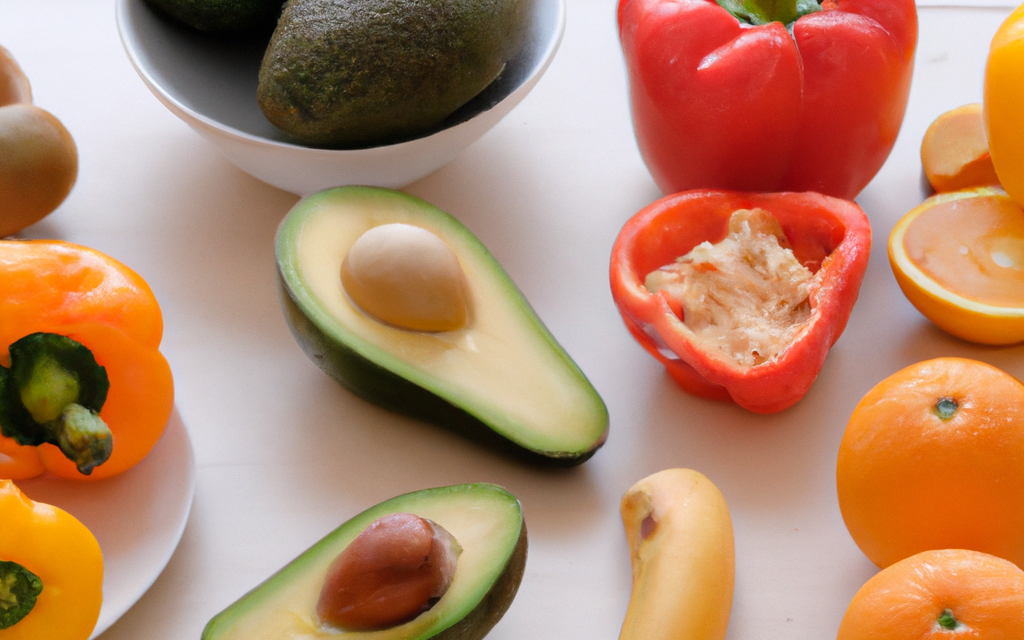
Are you looking to shed those extra pounds without the struggle of restrictive diets and intense workout routines? Look no further, as we delve into the world of effortless weight loss with the Paleo Diet and the secrets of the Mediterranean Diet. In this article, we will guide beginners on how to successfully navigate the Paleo Diet for weight loss in our section "Effortless Weight Loss with the Paleo Diet: A Beginner's Guide." Additionally, we will explore the sustainable weight loss benefits of the Mediterranean Diet in "Unlocking the Secrets of the Mediterranean Diet for Sustainable Weight Loss." And finally, we will compare the Paleo and Mediterranean diets to determine which is the best option for weight loss in our section "Comparing the Paleo and Mediterranean Diets: Which is the Best for Weight Loss?" So, if you're ready to achieve your weight loss goals the easy way, read on to discover the power of the Paleo Diet and Mediterranean Diet.
- 1. "Effortless Weight Loss with the Paleo Diet: A Beginner's Guide"
- 2. "Unlocking the Secrets of the Mediterranean Diet for Sustainable Weight Loss"
- 3. "Comparing the Paleo and Mediterranean Diets: Which is the Best for Weight Loss?"
1. "Effortless Weight Loss with the Paleo Diet: A Beginner's Guide"
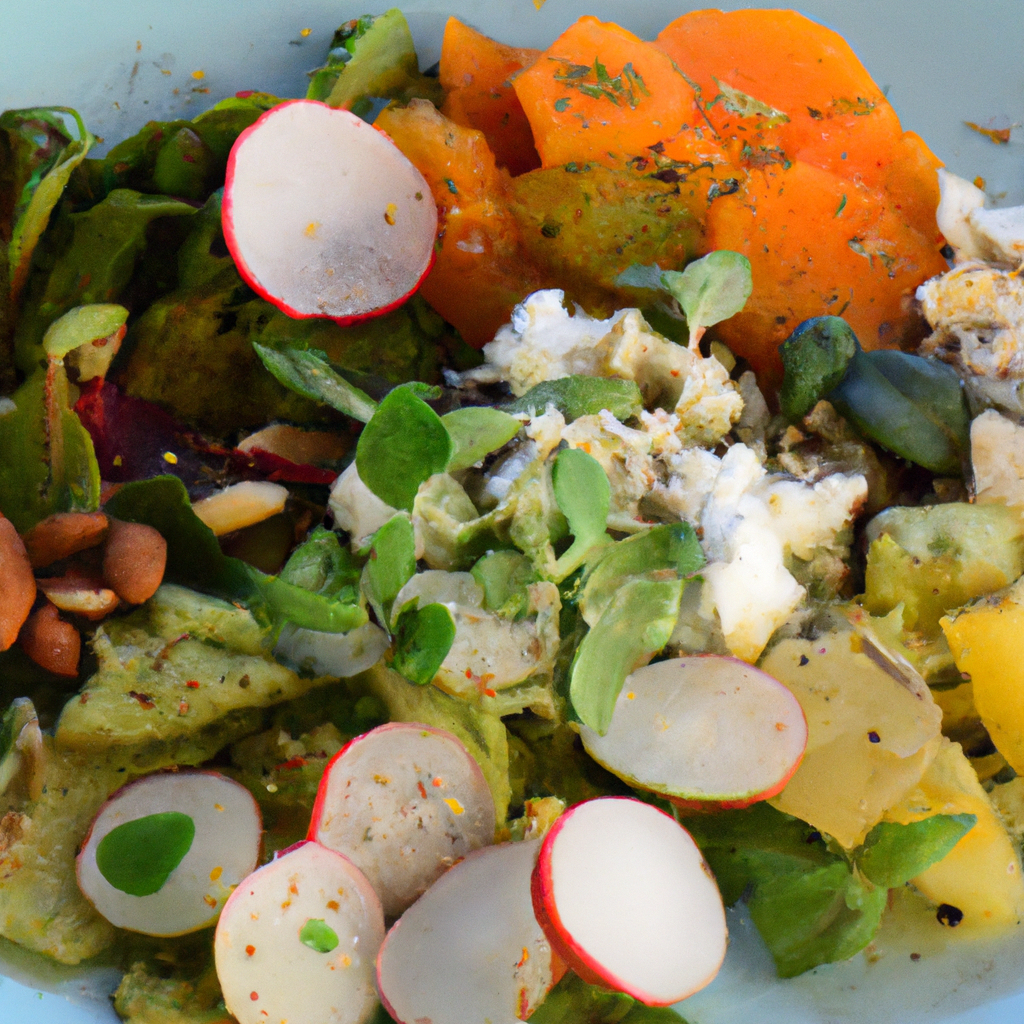
The Paleo Diet has gained popularity in recent years as a way to achieve effortless weight loss while still enjoying delicious and satisfying meals. This diet focuses on eating whole, unprocessed foods that our ancestors would have eaten, such as lean meats, fish, fruits, vegetables, nuts, and seeds. By eliminating processed foods, grains, dairy, and sugar, followers of the Paleo Diet often see significant weight loss results.
One of the key principles of the Paleo Diet is to focus on nutrient-dense foods that provide your body with the essential vitamins and minerals it needs to function optimally. By eating a variety of colorful fruits and vegetables, lean proteins, and healthy fats, you can feel full and satisfied while still losing weight. Additionally, the Paleo Diet encourages healthy lifestyle habits such as regular exercise and adequate sleep, which can further support weight loss efforts.
For beginners looking to try the Paleo Diet for weight loss, it's important to start slowly and gradually make changes to your eating habits. Focus on incorporating more whole foods into your diet and gradually reducing your intake of processed foods. Meal planning and preparation can also be helpful in sticking to the Paleo Diet and avoiding temptations to stray from your weight loss goals.
In conclusion, the Paleo Diet can be an effective and effortless way to achieve weight loss by focusing on whole, nutrient-dense foods that support overall health. By following the principles of the Paleo Diet and making gradual changes to your eating habits, you can see lasting results and improve your overall well-being.
2. "Unlocking the Secrets of the Mediterranean Diet for Sustainable Weight Loss"

The Mediterranean diet has long been praised for its health benefits, including its effectiveness in promoting sustainable weight loss. This diet is based on the traditional eating patterns of countries bordering the Mediterranean Sea, such as Greece, Italy, and Spain.
One of the key principles of the Mediterranean diet is to focus on whole, unprocessed foods such as fruits, vegetables, whole grains, legumes, nuts, and seeds. These foods are rich in fiber, vitamins, minerals, and antioxidants, which can help promote weight loss by keeping you feeling full and satisfied.
Another important aspect of the Mediterranean diet is the emphasis on healthy fats, such as olive oil, nuts, and fatty fish. These fats are known to be heart-healthy and can help with weight loss by promoting satiety and reducing inflammation in the body.
In addition, the Mediterranean diet encourages moderate consumption of lean protein sources, such as poultry, eggs, and dairy products, as well as occasional consumption of red meat and sweets. This balanced approach to eating can help you achieve sustainable weight loss without feeling deprived.
Overall, the Mediterranean diet is a sustainable and effective way to lose weight and improve your overall health. By following this dietary pattern, you can enjoy delicious and nutritious meals while shedding excess pounds.
3. "Comparing the Paleo and Mediterranean Diets: Which is the Best for Weight Loss?"

Both the Paleo and Mediterranean diets have gained popularity in recent years for their potential health benefits, including weight loss. But when it comes to choosing between the two, which diet is the best for achieving your weight loss goals?
The Paleo diet focuses on eating whole, unprocessed foods that were available to our ancestors during the Paleolithic era. This includes lean meats, fish, fruits, vegetables, nuts, and seeds, while excluding grains, dairy, and processed foods. The Paleo diet is often praised for its ability to promote weight loss due to its emphasis on consuming nutrient-dense foods and avoiding processed sugars and unhealthy fats.
On the other hand, the Mediterranean diet is inspired by the traditional eating habits of people living in Mediterranean countries. This diet includes plenty of fruits, vegetables, whole grains, legumes, and olive oil, with moderate amounts of fish, poultry, and dairy. The Mediterranean diet is known for its heart-healthy benefits and has also been linked to weight loss due to its focus on consuming healthy fats and complex carbohydrates.
When comparing the two diets for weight loss, both the Paleo and Mediterranean diets can be effective in helping individuals shed excess pounds. The Paleo diet may be more restrictive in terms of what foods are allowed, but it can be easier for some people to follow due to its clear guidelines. On the other hand, the Mediterranean diet offers a wider variety of foods and may be more sustainable in the long term for some individuals.
Ultimately, the best diet for weight loss is one that is sustainable and fits your individual preferences and lifestyle. Both the Paleo and Mediterranean diets offer health benefits beyond weight loss, so it's important to choose the one that you can stick to and enjoy in the long run. Whether you choose to follow the Paleo diet or the Mediterranean diet, focusing on consuming whole, nutrient-dense foods and avoiding processed sugars and unhealthy fats is key to achieving your weight loss goals.
In conclusion, both the Paleo and Mediterranean diets offer effective ways to achieve weight loss in a sustainable and healthy manner. While the Paleo diet focuses on eating whole, unprocessed foods and eliminating grains and dairy, the Mediterranean diet emphasizes the consumption of fruits, vegetables, whole grains, and healthy fats. Both diets have been shown to promote weight loss and improve overall health. Ultimately, the best diet for weight loss will depend on individual preferences and needs. By incorporating elements of both diets, individuals can create a balanced and nutritious eating plan that supports their weight loss goals. Whether you choose to follow the Paleo diet, the Mediterranean diet, or a combination of both, remember that consistency and moderation are key to achieving long-term success in your weight loss journey.


