

Are you looking for an easy way to achieve sustainable weight loss? Look no further than the Paleo Diet and the Mediterranean Diet. In this article, we will explore how these two popular diets can help you reach your weight loss goals effectively. From the benefits of the Mediterranean Diet for weight management to the strategies of the Paleo Diet, we will compare and contrast these two approaches to help you find the best fit for your lifestyle. Whether you're a fan of the Paleo Diet or interested in the Mediterranean Diet, we've got you covered with tips and insights on how to lose weight the easy way.
- 1. "Achieve Sustainable Weight Loss with the Paleo Diet"
- 2. "Exploring the Benefits of the Mediterranean Diet for Weight Management"
- 3. "Comparing the Paleo and Mediterranean Diets for Effective Weight Loss Strategies"
1. "Achieve Sustainable Weight Loss with the Paleo Diet"

The Paleo Diet, also known as the caveman diet, focuses on consuming whole, unprocessed foods that our ancestors would have eaten during the Paleolithic era. This diet primarily consists of lean meats, fish, fruits, vegetables, nuts, and seeds while excluding processed foods, grains, dairy, and refined sugars.
One of the key benefits of the Paleo Diet is its ability to promote sustainable weight loss. By eliminating processed foods and focusing on nutrient-dense whole foods, the Paleo Diet helps regulate blood sugar levels, reduce inflammation, and improve overall health. This can lead to increased satiety, reduced cravings, and ultimately, weight loss.
Additionally, the emphasis on protein and fiber-rich foods in the Paleo Diet can help boost metabolism and promote fat burning. By fueling the body with high-quality nutrients and avoiding empty calories, individuals following the Paleo Diet may experience more consistent and long-lasting weight loss results.
In comparison to fad diets or extreme restrictions, the Paleo Diet offers a more balanced and sustainable approach to weight loss. By focusing on whole, natural foods that are rich in nutrients and low in processed ingredients, individuals can achieve their weight loss goals while also improving their overall health and well-being.
When combined with other healthy eating patterns, such as the Mediterranean diet, the Paleo Diet can provide a well-rounded approach to weight loss that promotes long-term success. By incorporating a variety of nutrient-dense foods and focusing on overall health and wellness, individuals can achieve sustainable weight loss and maintain their results over time.
2. "Exploring the Benefits of the Mediterranean Diet for Weight Management"
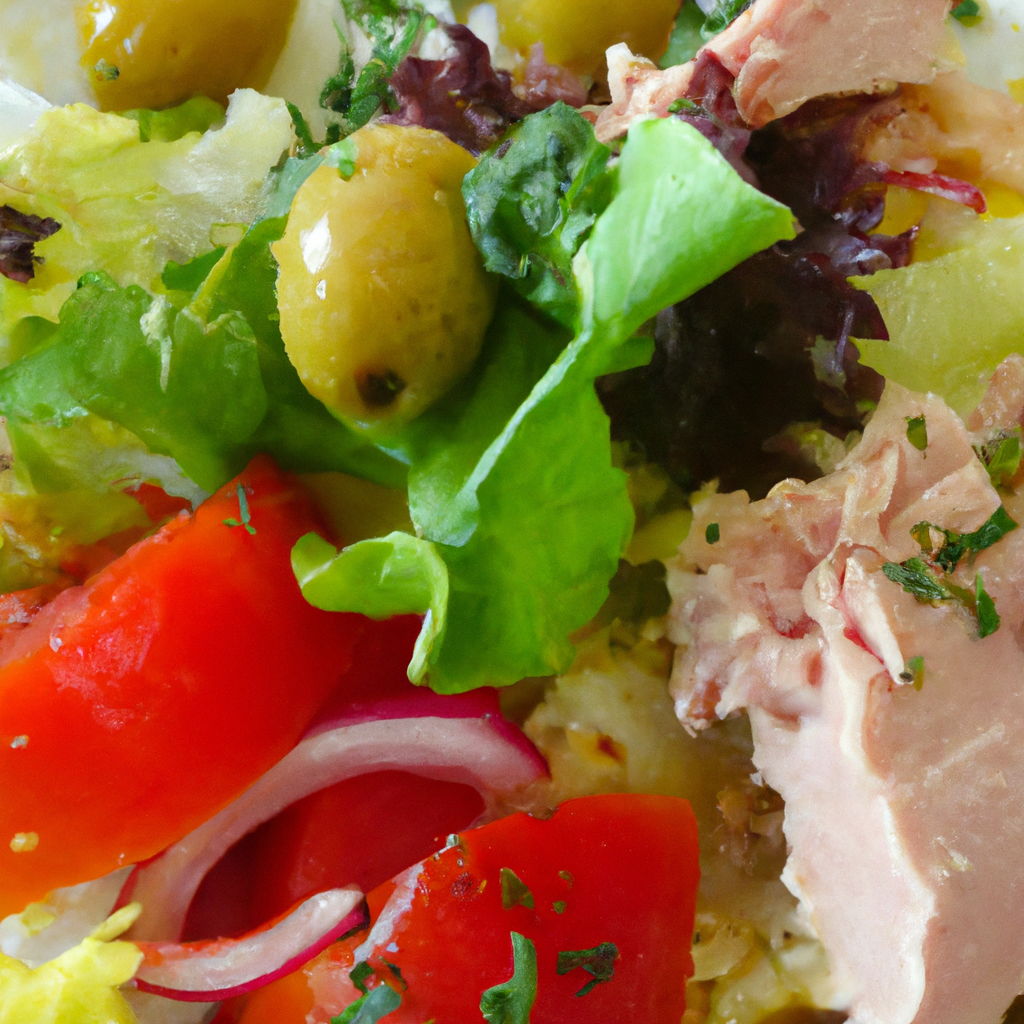
The Mediterranean diet has long been touted as one of the healthiest diets in the world, and for good reason. This diet is rich in fruits, vegetables, whole grains, lean proteins, and healthy fats like olive oil. It emphasizes fresh, whole foods and limits processed foods, sugar, and unhealthy fats.
One of the key benefits of the Mediterranean diet for weight management is its focus on nutrient-dense foods that are low in calories but high in essential vitamins and minerals. This can help individuals feel satisfied and full while consuming fewer calories, ultimately leading to weight loss. Additionally, the Mediterranean diet is known for its high fiber content, which can aid in digestion, regulate blood sugar levels, and promote a feeling of fullness.
Another benefit of the Mediterranean diet for weight management is its emphasis on healthy fats, such as those found in olive oil, nuts, and fatty fish. These fats can help reduce inflammation in the body, improve heart health, and promote satiety. By incorporating these healthy fats into their diet, individuals may be less likely to overeat and consume excess calories.
In addition, the Mediterranean diet is also rich in antioxidants and anti-inflammatory compounds, which can help reduce the risk of chronic diseases and support overall health. By focusing on whole, nutrient-dense foods, individuals following the Mediterranean diet may experience improved energy levels, better digestion, and a stronger immune system.
Overall, the Mediterranean diet offers a balanced and sustainable approach to weight management that focuses on nourishing the body with wholesome, delicious foods. By incorporating elements of this diet into their lifestyle, individuals may not only achieve their weight loss goals but also experience improved overall health and well-being.
3. "Comparing the Paleo and Mediterranean Diets for Effective Weight Loss Strategies"
When it comes to effective weight loss strategies, both the Paleo and Mediterranean diets are popular choices that have been shown to produce results.
The Paleo diet, also known as the "caveman diet," focuses on consuming whole, unprocessed foods such as lean meats, fish, fruits, vegetables, nuts, and seeds. This diet emphasizes eliminating processed foods, grains, dairy, and sugar, which can lead to weight loss by reducing overall calorie intake and increasing nutrient density. By following the Paleo diet, individuals can experience improved energy levels, reduced inflammation, and better digestion, all of which can contribute to weight loss.
On the other hand, the Mediterranean diet is based on the traditional eating patterns of countries bordering the Mediterranean Sea. This diet includes a variety of fruits, vegetables, whole grains, legumes, nuts, seeds, and olive oil, with moderate amounts of fish, poultry, and dairy. The Mediterranean diet is rich in antioxidants, healthy fats, and fiber, which can help promote weight loss by reducing inflammation, improving heart health, and increasing satiety.
When comparing the Paleo and Mediterranean diets for weight loss, both can be effective options. The Paleo diet may be more restrictive in terms of certain food groups, such as grains and dairy, which can lead to quicker weight loss results for some individuals. However, the Mediterranean diet offers a wider variety of foods and may be easier for some people to sustain long-term. Ultimately, the best diet for weight loss is one that is sustainable, enjoyable, and fits an individual's lifestyle and preferences. Both the Paleo and Mediterranean diets can be effective tools for achieving weight loss goals when followed consistently and paired with regular physical activity.
In conclusion, both the Paleo and Mediterranean diets offer effective and sustainable strategies for weight loss. The Paleo diet focuses on whole, unprocessed foods while the Mediterranean diet emphasizes healthy fats and lean proteins. By incorporating elements of both diets into your daily routine, you can achieve your weight loss goals in a healthy and manageable way. Whether you choose to follow the Paleo diet or the Mediterranean diet, remember that consistency and moderation are key to long-term success. By making small changes to your eating habits and lifestyle, you can reap the benefits of these popular diets and achieve a healthier, happier you.


