Struggling to shed those stubborn pounds? Look no further than the Paleo Diet and the Mediterranean Diet. These two popular eating plans have been praised for their effectiveness in promoting weight loss, but which one is right for you? In this article, we will explore how you can effortlessly shed pounds with the Paleo Diet, learn about the delicious and sustainable Mediterranean Diet, and compare the two approaches to help you determine the best path to reaching your weight loss goals. Whether you're a fan of the Paleo Diet, the Mediterranean diet, or are simply looking for a straightforward way to lose weight, this article has you covered.
- 1. "Effortlessly Shed Pounds with the Paleo Diet: A Simple Guide to Weight Loss"
- 2. "Discover the Mediterranean Diet: A Delicious Path to Sustainable Weight Loss"
- 3. "Comparing the Paleo and Mediterranean Diets: Which is the Best Approach for Weight Loss?"
1. "Effortlessly Shed Pounds with the Paleo Diet: A Simple Guide to Weight Loss"

The Paleo Diet has gained popularity in recent years as an effective way to shed pounds effortlessly. This diet focuses on consuming foods that our ancestors would have eaten during the Paleolithic era, such as lean meats, fish, fruits, vegetables, nuts, and seeds. By eliminating processed foods, grains, dairy, and sugar, followers of the Paleo Diet can experience weight loss and improved overall health.
One of the key benefits of the Paleo Diet for weight loss is its focus on whole, nutrient-dense foods. By filling up on protein-rich meats and fiber-filled fruits and vegetables, followers of the Paleo Diet can feel satisfied and curb cravings for unhealthy snacks. This can lead to a reduced calorie intake and ultimately result in weight loss.
Additionally, the Paleo Diet emphasizes the importance of healthy fats, such as those found in nuts, seeds, and avocados. These fats can help to keep you feeling full and satisfied, making it easier to stick to your weight loss goals. By incorporating these healthy fats into your meals, you can avoid feelings of deprivation and successfully lose weight.
Incorporating the principles of the Paleo Diet into your daily routine can be a simple and effective way to achieve weight loss. By focusing on whole, nutrient-dense foods and avoiding processed and high-sugar foods, you can effortlessly shed pounds and improve your overall health. Pairing the Paleo Diet with the Mediterranean diet can further enhance its weight loss benefits, as both diets emphasize the importance of whole foods and healthy fats.
2. "Discover the Mediterranean Diet: A Delicious Path to Sustainable Weight Loss"
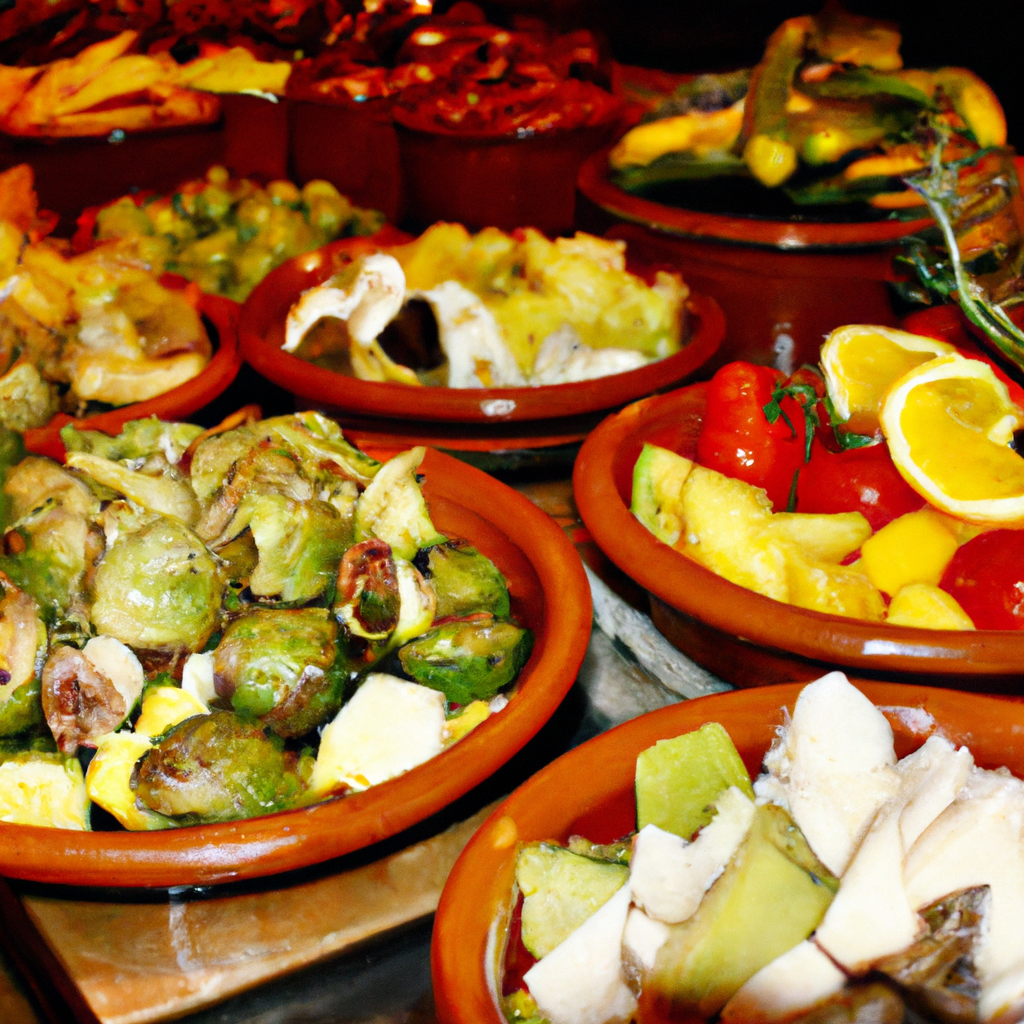
The Mediterranean diet has gained popularity in recent years as a sustainable and delicious way to achieve weight loss. This diet is inspired by the traditional eating habits of people living in countries bordering the Mediterranean Sea, such as Italy, Greece, and Spain.
One of the key principles of the Mediterranean diet is to focus on whole, unprocessed foods such as fruits, vegetables, whole grains, legumes, nuts, and seeds. These foods are rich in vitamins, minerals, and antioxidants, while also being low in saturated fats and refined sugars.
Another important aspect of the Mediterranean diet is the inclusion of healthy fats, such as olive oil, nuts, and fatty fish. These fats are known to promote heart health and can help with weight loss by keeping you feeling full and satisfied.
Additionally, the Mediterranean diet encourages moderate consumption of lean proteins, such as poultry, eggs, and dairy products. Red meat is limited in this diet, with an emphasis on plant-based proteins instead.
Overall, the Mediterranean diet is not only a delicious way to lose weight, but it also offers numerous health benefits, including reduced risk of heart disease, diabetes, and certain types of cancer. By following this balanced and nutrient-rich eating plan, you can achieve sustainable weight loss and improve your overall well-being.
3. "Comparing the Paleo and Mediterranean Diets: Which is the Best Approach for Weight Loss?"
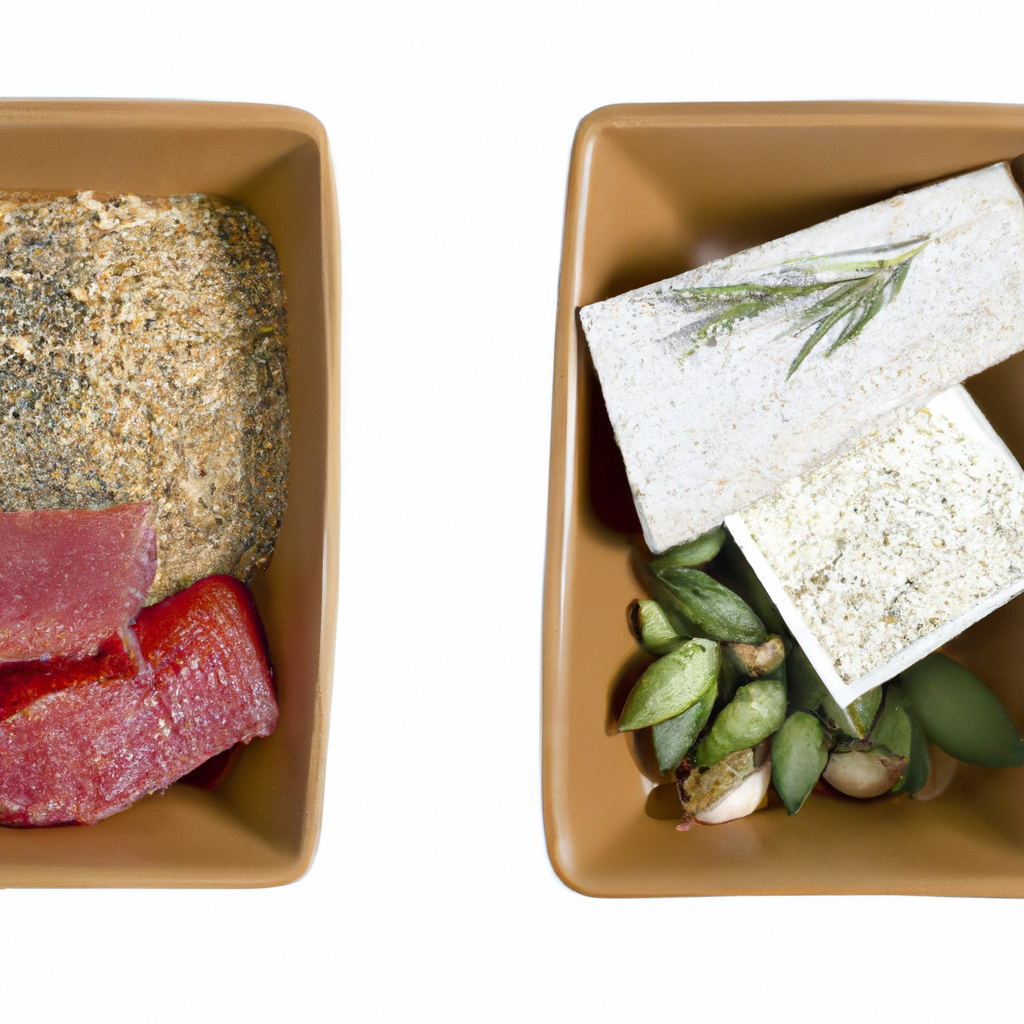
When it comes to weight loss, both the Paleo and Mediterranean diets are popular choices that have been shown to be effective. However, they have some key differences that may make one more suitable for certain individuals.
The Paleo Diet focuses on consuming foods that were available to our ancestors during the Paleolithic era, such as lean meats, fish, fruits, vegetables, nuts, and seeds. This diet is high in protein and fiber, which can help you feel full and satisfied, leading to reduced calorie intake and weight loss. Additionally, cutting out processed foods and added sugars can also contribute to weight loss.
On the other hand, the Mediterranean Diet is based on the traditional eating patterns of countries bordering the Mediterranean Sea. It emphasizes whole grains, legumes, fruits, vegetables, nuts, seeds, and olive oil. This diet is rich in heart-healthy fats and antioxidants, which can have numerous health benefits, including weight loss. The Mediterranean Diet is also known for its flexibility and sustainability, making it easier for some individuals to stick to long-term.
Ultimately, the best approach for weight loss between the Paleo and Mediterranean diets will depend on individual preferences and lifestyle. Some may prefer the higher protein content and focus on whole foods of the Paleo Diet, while others may find the variety and flexibility of the Mediterranean Diet more appealing. It's important to choose a diet that you can realistically maintain and enjoy in the long run for sustainable weight loss results.
In conclusion, both the Paleo and Mediterranean diets offer effective and sustainable approaches to weight loss. The Paleo diet focuses on whole, unprocessed foods while the Mediterranean diet emphasizes heart-healthy fats and lean proteins. Ultimately, the best approach for weight loss may vary depending on individual preferences and needs. By incorporating elements of both diets into your lifestyle, you can achieve your weight loss goals in a delicious and manageable way. Whether you choose to follow the Paleo Diet, the Mediterranean Diet, or a combination of both, remember that consistency and moderation are key to long-term success in achieving a healthier weight.