

Are you tired of struggling to lose weight and feeling like you're constantly fighting an uphill battle? Look no further, as we explore two popular diets that promise to make weight loss easier and more sustainable. In this article, we delve into the Paleo Diet and the Mediterranean Diet, both known for their health benefits and potential for shedding pounds effortlessly. Discover how the Paleo Diet can help you achieve your weight loss goals in our first section, "Effortless Weight Loss: How the Paleo Diet Can Help You Shed Pounds." Then, uncover the secrets of the Mediterranean Diet and how it can lead to sustainable weight loss in our second section, "Unlocking the Secrets of the Mediterranean Diet for Sustainable Weight Loss." Finally, we compare the Paleo Diet and the Mediterranean Diet to determine which one may be best for optimal weight loss results in our third section, "Comparing the Paleo Diet vs. the Mediterranean Diet for Optimal Weight Loss Results." Read on to find out how these two diets can transform your weight loss journey.
- 1. "Effortless Weight Loss: How the Paleo Diet Can Help You Shed Pounds"
- 2. "Unlocking the Secrets of the Mediterranean Diet for Sustainable Weight Loss"
- 3. "Comparing the Paleo Diet vs. the Mediterranean Diet for Optimal Weight Loss Results"
1. "Effortless Weight Loss: How the Paleo Diet Can Help You Shed Pounds"

Effortless Weight Loss: How the Paleo Diet Can Help You Shed Pounds
The Paleo Diet, also known as the Caveman Diet, has gained popularity in recent years as a way to not only improve overall health but also to aid in weight loss. This diet is based on the principle of eating like our ancestors did during the Paleolithic era, focusing on whole, unprocessed foods such as lean meats, fruits, vegetables, nuts, and seeds. By eliminating grains, dairy, and processed foods, the Paleo Diet can help reduce inflammation in the body, stabilize blood sugar levels, and promote weight loss.
One of the key reasons why the Paleo Diet is so effective for weight loss is its focus on high-protein foods. Protein is known to be more satiating than carbohydrates or fats, meaning that you are likely to feel fuller for longer periods of time. This can help prevent overeating and snacking on unhealthy foods, ultimately leading to a reduced calorie intake and weight loss.
Additionally, the Paleo Diet encourages the consumption of nutrient-dense foods that are rich in vitamins, minerals, and antioxidants. These foods not only support overall health but can also boost metabolism and promote fat burning. By fueling your body with nutritious foods, you can increase energy levels, improve digestion, and support muscle growth – all of which are key components of successful weight loss.
In comparison to the Mediterranean diet, which also emphasizes whole foods and healthy fats, the Paleo Diet may be more restrictive in terms of certain food groups. However, many people find that the elimination of grains and dairy can help reduce bloating, improve digestion, and kickstart weight loss. It's important to note that individual results may vary, and it's always best to consult with a healthcare professional before making any significant changes to your diet.
Overall, the Paleo Diet can be a powerful tool for effortless weight loss when combined with regular exercise, adequate hydration, and sufficient sleep. By focusing on real, nutrient-dense foods and avoiding processed junk, you can support your body in shedding pounds and achieving your weight loss goals.
2. "Unlocking the Secrets of the Mediterranean Diet for Sustainable Weight Loss"
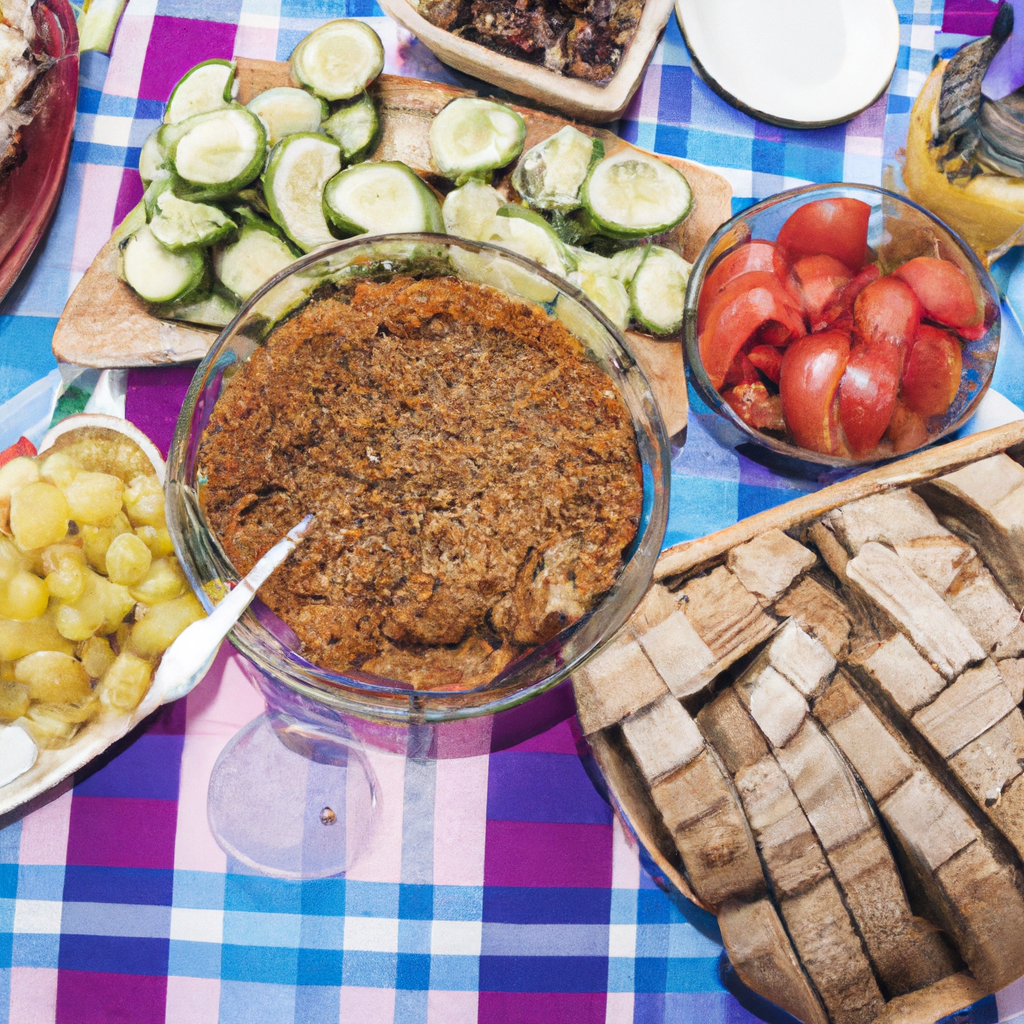
When it comes to sustainable weight loss, the Mediterranean diet has been proven time and time again to be an effective and healthy option. This diet is inspired by the traditional eating habits of people in countries like Greece, Italy, and Spain, and focuses on whole foods such as fruits, vegetables, whole grains, lean proteins, and healthy fats like olive oil.
One of the key secrets of the Mediterranean diet for weight loss is its emphasis on nutrient-dense foods that are filling and satisfying. By choosing foods that are high in fiber, vitamins, and minerals, you can feel full and satisfied without consuming excessive calories. This can help you avoid overeating and make it easier to stick to your weight loss goals.
Additionally, the Mediterranean diet is known for its emphasis on enjoying meals with family and friends, as well as savoring each bite. This can help you slow down and pay attention to your hunger and fullness cues, which can prevent mindless eating and help you maintain a healthy weight in the long term.
Overall, the Mediterranean diet offers a sustainable and enjoyable way to lose weight and improve your overall health. By incorporating more whole foods and adopting a balanced approach to eating, you can achieve your weight loss goals without feeling deprived or restricted. So, if you're looking for an easy and effective way to lose weight, consider giving the Mediterranean diet a try.
3. "Comparing the Paleo Diet vs. the Mediterranean Diet for Optimal Weight Loss Results"
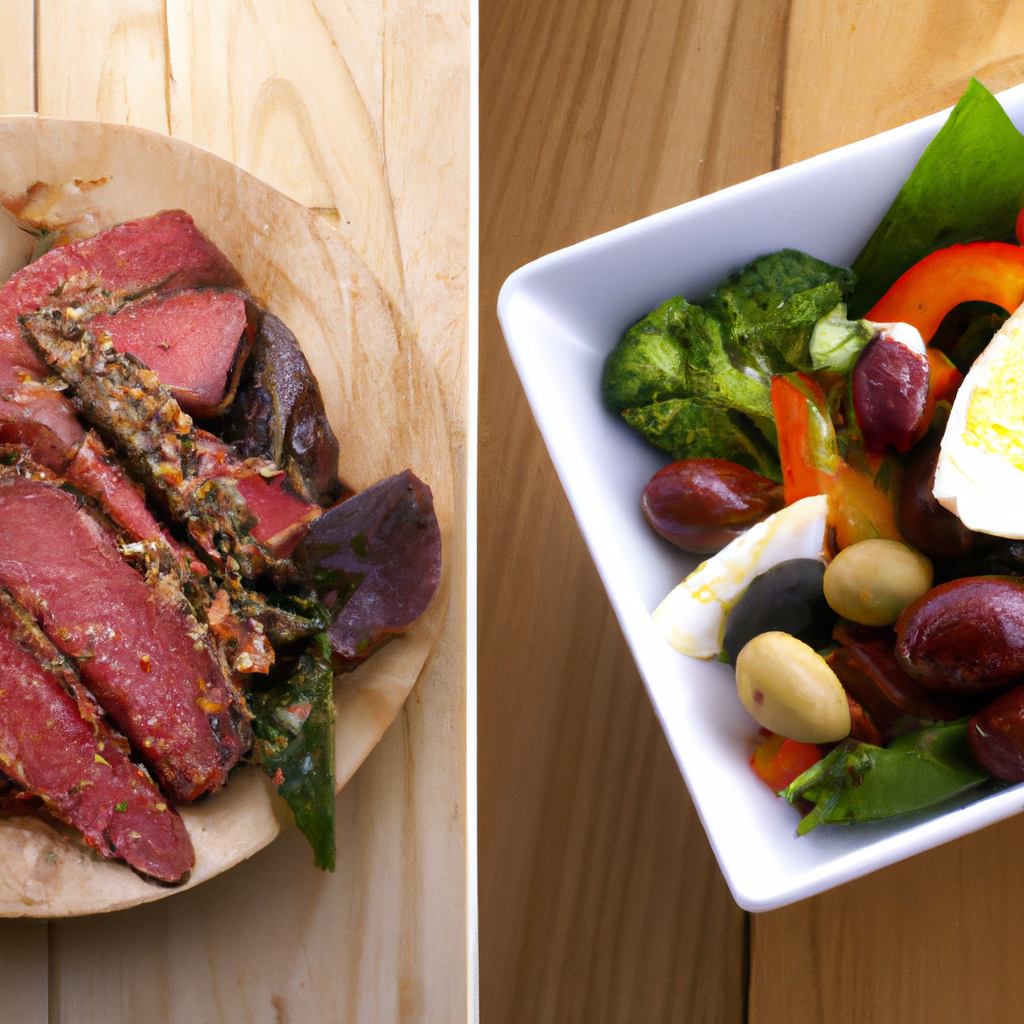
When it comes to weight loss, both the Paleo Diet and the Mediterranean Diet are popular choices that have shown promising results. The Paleo Diet focuses on consuming whole, unprocessed foods that our ancestors would have eaten, such as lean meats, fish, fruits, vegetables, nuts, and seeds. This diet eliminates grains, dairy, and processed foods, which can help reduce inflammation in the body and promote weight loss.
On the other hand, the Mediterranean Diet is inspired by the traditional eating habits of countries bordering the Mediterranean Sea. This diet includes plenty of fruits, vegetables, whole grains, legumes, and healthy fats like olive oil and nuts. It also allows for moderate consumption of lean proteins, such as fish and poultry, as well as occasional red wine.
When comparing the two diets for optimal weight loss results, it's important to consider individual preferences and lifestyle factors. The Paleo Diet may be more restrictive for some people, as it eliminates certain food groups like grains and dairy. However, this strictness can lead to faster weight loss results for some individuals. On the other hand, the Mediterranean Diet offers a wider variety of foods and may be easier to sustain in the long term.
Ultimately, both diets can be effective for weight loss when followed correctly. It's essential to focus on consuming whole, nutrient-dense foods and listening to your body's hunger and fullness cues. Experimenting with both diets and finding what works best for your body and lifestyle is key to achieving optimal weight loss results.
In conclusion, both the Paleo Diet and the Mediterranean Diet offer effective and sustainable ways to achieve weight loss. While the Paleo Diet focuses on eliminating processed foods and emphasizing lean proteins and fruits and vegetables, the Mediterranean Diet promotes heart-healthy fats and whole grains. By incorporating elements of both diets into your meal plan, you can create a balanced approach to weight loss that is both enjoyable and effective. Ultimately, the key to successful weight loss is finding a diet that works for you and fits into your lifestyle. Whether you choose to follow the Paleo Diet, the Mediterranean Diet, or a combination of both, making healthier food choices and staying consistent with your eating habits will lead to long-term success in achieving your weight loss goals.


